This top bar will be used for promotions and discounts




Planning a Disney vacation can feel like organizing a small expedition. You’re juggling park tickets, hotel reservations, dining plans, Genie+ selections, and the expectations of an excited family.
That’s why this guide is for families who want to stay organized, reduce stress, and actually enjoy the countdown instead of feeling buried by details.
Disney vacations are unique because they mix rigid systems (park reservations, timed entries) with emotional stakes (kids’ excitement, limited vacation days).
Without a clear strategy, small oversights—like missing a dining window or double-booking an activity—can ripple into frustrating days.
The good news is that with the right structure, planning becomes calmer and far more flexible.
Here’s the quick version for busy parents who don’t have time to read everything at once:
Decide on dates and parks first, before touching dining or extras
Keep all reservations in one master place
Build in buffer time every day
Track costs as you plan, not after
Share the plan with everyone traveling
If you do just those five things, you’re already ahead of most first-time planners.
The biggest mistake families make is scattering information across emails, screenshots, apps, and notebooks. Instead, create one home base for planning.
That hub could be a spreadsheet, a shared document, or a binder—what matters is consistency. In other words, every confirmation number, park day, dining time, and cost should live there.
Travel dates and flight info
Hotel check-in/check-out
Park tickets and park days
Dining reservations
Special events (parties, tours)
Estimated and actual costs
Many Disney confirmations arrive as PDFs—tickets, hotel details, or dining summaries. Rather than scrolling through multiple files, you can streamline planning by converting those PDFs into an editable spreadsheet.
Using a PDF-to-Excel tool lets you organize trip dates, dining reservations, and activity costs in one sortable place. As a result, it becomes much easier to adjust plans as your trip evolves.
This is especially helpful for families who want to track spending or quickly see which days are overloaded.
Follow this sequence to avoid redoing work later:
Lock in travel dates and hotel
Choose park days (one park per day if possible)
Add dining reservations
Layer in experiences (character dining, parties)
Plan rest and resort time
Finalize daily priorities
Most importantly, this order mirrors how Disney systems work and keeps you from building plans that don’t fit your schedule. A great site for up to date information on everything Disney World.
Overplanning is just as risky as underplanning. At the same time, aim for anchors, not minute-by-minute schedules.
Good daily anchors include:
One must-do attraction
One sit-down meal
One rest window
Everything else becomes optional. This flexibility is gold when kids get tired, weather changes, or a ride goes down.
| Time of Day | Plan Type | Example |
|---|---|---|
| Morning | Priority Ride | Seven Dwarfs Mine Train |
| Late AM | Flexible Touring | Fantasyland rides |
| Afternoon | Rest | Hotel break or indoor show |
| Evening | Dining Anchor | Reserved dinner |
| Night | Bonus Fun | Fireworks or walk-on rides |
Notice how only a few things are fixed. That’s intentional.
Kids (and adults) handle Disney better when they know what to expect. For example, sharing park days and dining plans reduces constant “What are we doing next?” questions.
You don’t need to share every detail. Think highlights, not logistics.
If you want deeper insight into ride wait times, crowd patterns, and touring strategies, TouringPlans is a widely trusted independent resource.
Meanwhile, it’s especially useful for sanity-checking whether your expectations for a day are realistic.
How far in advance should I start planning?
For families, 6–9 months ahead is ideal, especially for popular dining.
Do I need a daily itinerary for every minute?
No. Overly detailed plans often create stress. Focus on priorities and flexibility.
What’s the easiest way to track costs?
Track estimated costs during planning and update with actual spending as you go.
Should I print everything?
Yes. Digital plus one printed summary page is smart for emergencies.
How can I best safeguard my children while at the park?
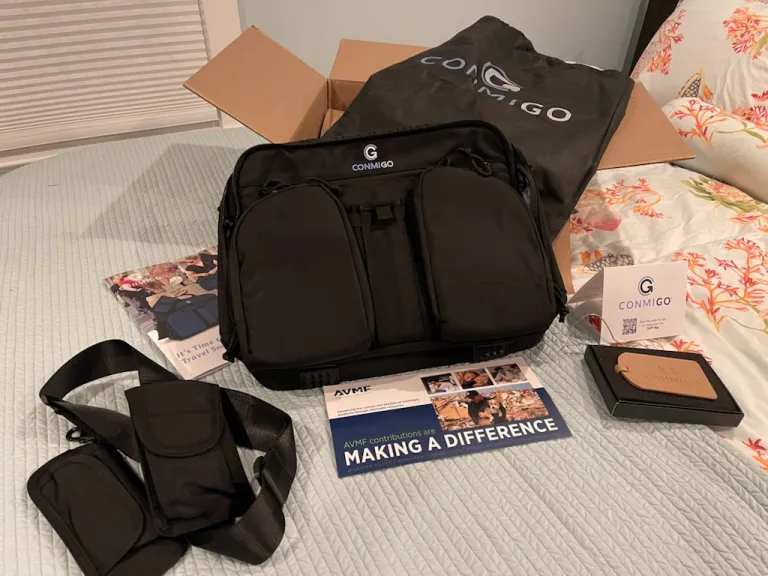
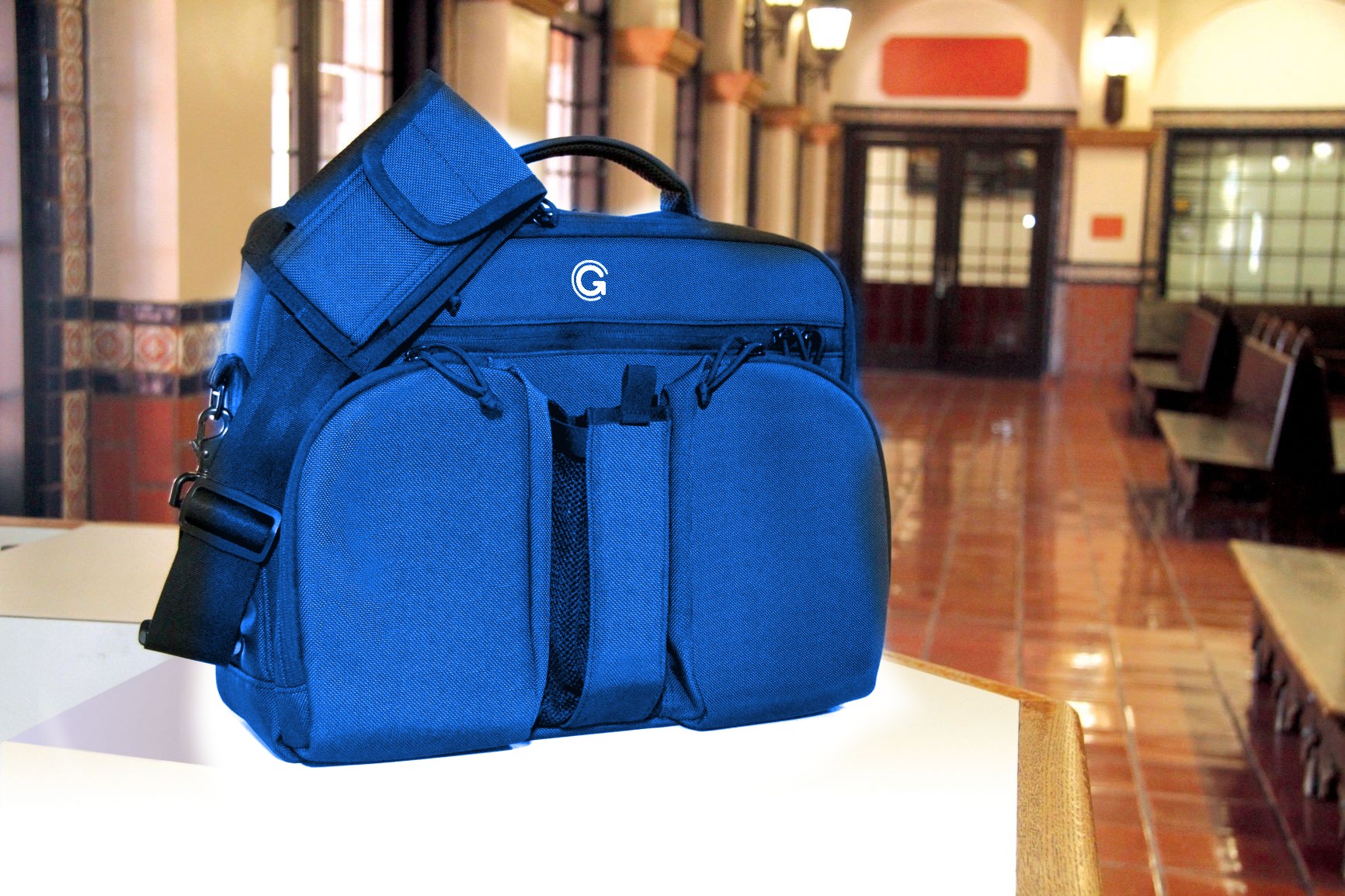
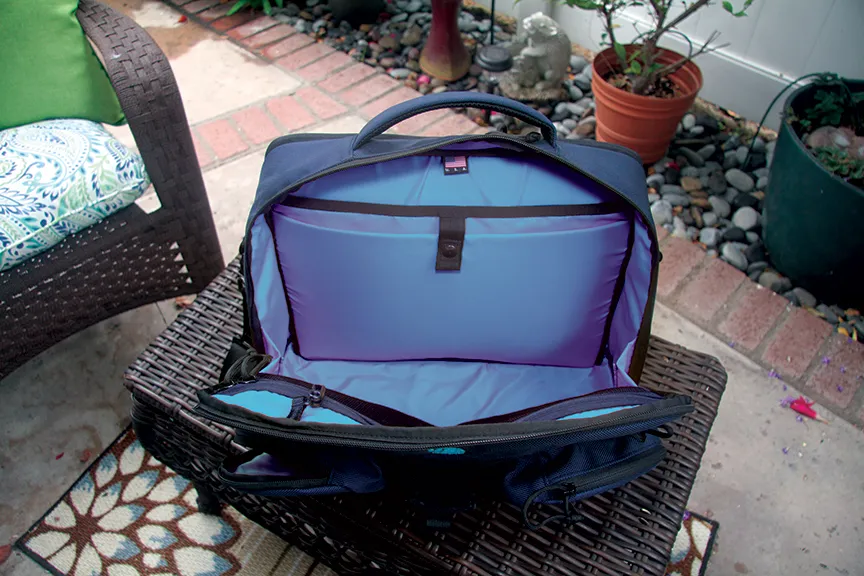
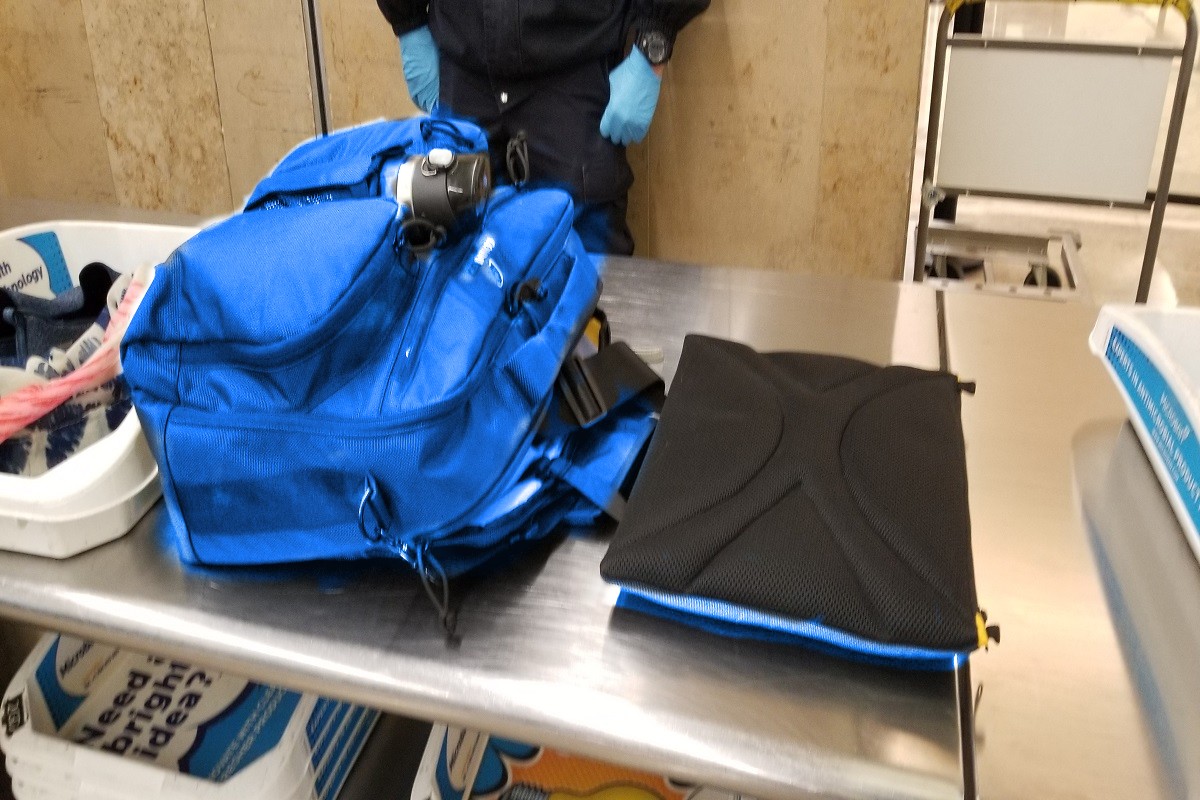
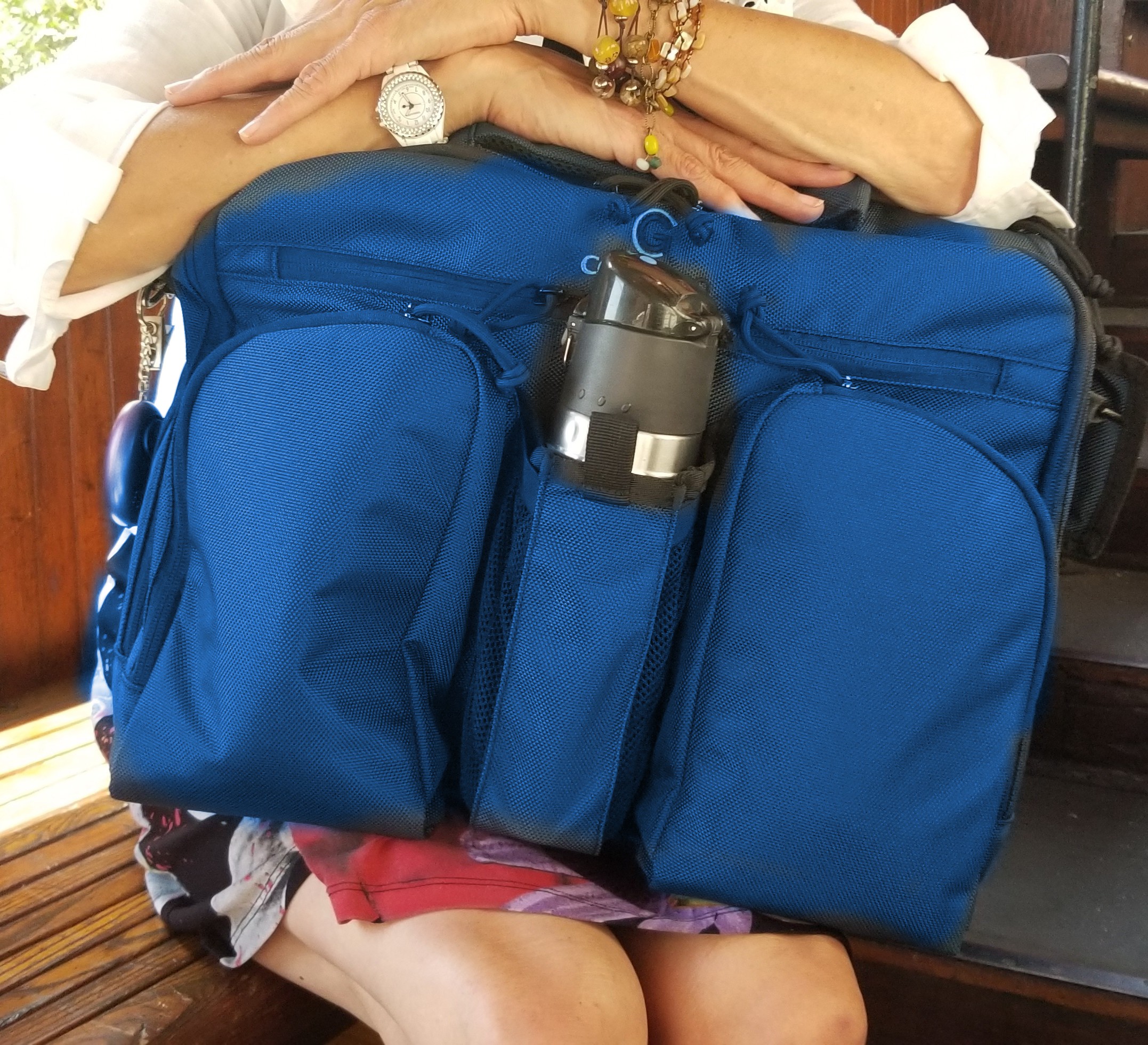
Snap a shot of your child and what they are wearing before you embark to the park, In case you become separated, you will be able to share the image with park officials. Carry a cross body bag, like the ULTI Every Day/Every Where Bag so you can stay hold the hand of your little ones. The ULTI is a great way to carry snacks, water, extra sweaters and mementos of your magical day.
A Disney vacation doesn’t have to feel overwhelming to plan. With one central hub, flexible daily structure, and clear priorities, organization becomes your secret weapon—not a burden.
In the end, the goal isn’t perfection. It’s creating enough structure that your family can relax and enjoy the magic together.
Thank you to Michael Langsdon, free lance writer, and senior advocate, for this excellent overview of how to plan for a visit to one of the happiest places on earth.
Michael, has made it his mission to help locate resources, events, and engagement opportunities to help enrich the lives of seniors. He created Elder Freedom as an advocate for older adults in his community. Through his site (http://elderfreedom.net/), he provides tips to seniors on how to downsize and age in place.