This top bar will be used for promotions and discounts

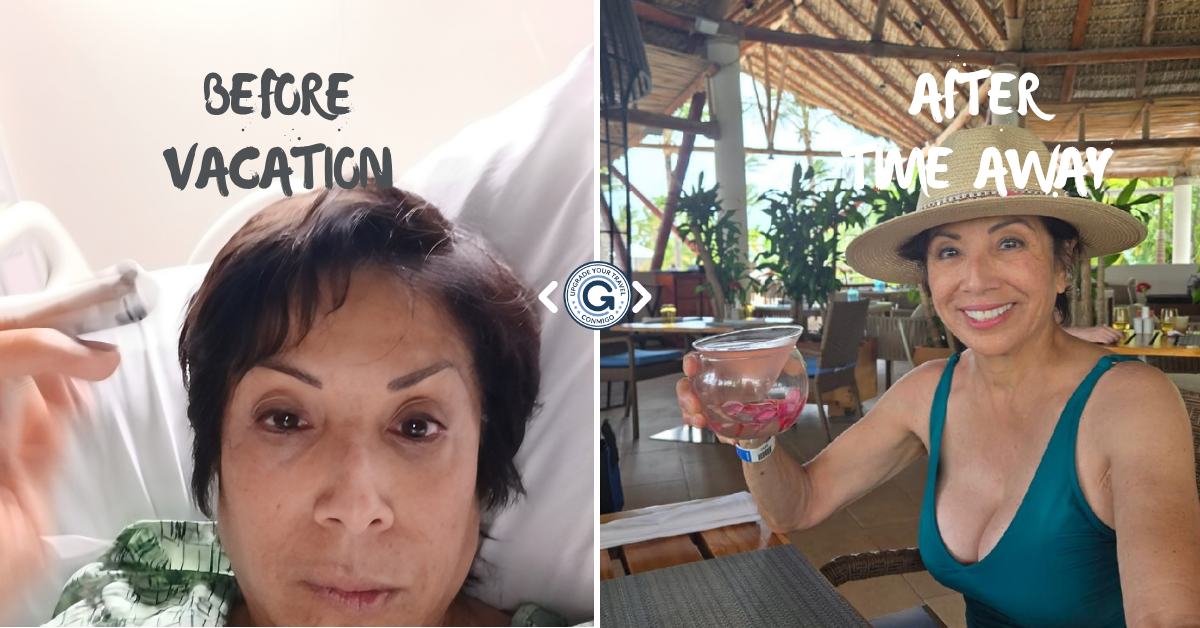


Each year, millions of paid vacation days in the U.S. quietly disappear. Fear of falling behind, guilt over taking a break, or a workplace that rewards “hustle” over health—these pressures keep many Americans chained to their desks. But the cost of skipping time off is far higher than a few unused days on the calendar.
The High Cost of Always Being “On” When rest becomes optional, burnout becomes inevitable. Chronic stress saps energy, dulls creativity, and chips away at both physical and mental health. The World Health Organization now recognizes burnout as an occupational phenomenon—and it’s easy to see why. Those who never disconnect report higher rates of anxiety, insomnia, and even cardiovascular issues. The toll doesn’t end at the office door, either. Family relationships suffer when fatigue replaces presence. Friends notice when laughter gives way to exhaustion. Life begins to feel smaller, not fuller.
The Healing Power of Travel Stepping away isn’t indulgence—it’s essential maintenance. Travel invites perspective. It slows the mental churn and reignites curiosity. Whether it’s a weekend exploring a nearby town or a once-in-a-lifetime adventure, travel resets the mind and recharges the spirit. Studies show that even short getaways reduce stress hormones, boost creativity, and strengthen immune function.
The Bottom Line: You Earned It—Use It Paid time off is part of your compensation, not a privilege. Taking it helps you return sharper, calmer, and more connected—to your work and to the people who matter most. So plan that trip, pack your bag, and give yourself permission to rest. The world—and your well-being—will thank you for it.