This top bar will be used for promotions and discounts



babies who melt down mid-transit, toddlers who skip naps and unravel, and preschoolers who suddenly need snacks, distractions, and bathroom breaks right now. The hard part isn’t wanting to make memories, it’s managing the travel challenges with babies, toddlers, and preschoolers without turning every day into a negotiation or every receipt into a surprise. Add in last-minute fees and convenience spending, and even a “simple” trip can drift far from budget-friendly family travel. With the right stress reduction strategies for parents, trips can feel calmer, more predictable, and easier on the wallet.
A smooth trip with little kids usually comes down to a handful of tiny decisions made early. Use these small moves to protect naps, prevent meltdowns, and keep “surprise spending” from eating your budget.
1. Pack in toddler “modules,” not outfits: Build 3–5 gallon-size bags like “car kit,” “park kit,” “sleep kit,” and “spill kit.” Each bag gets only what you’ll use at that moment (wipes, one change of clothes, a small toy, a trash bag), so you’re not unpacking the whole suitcase on the sidewalk. This cuts the “where is it?” panic and can help you spot duplicates before you over pack.
2. Cut travel time into kid-sized chunks: Plan for a break every 2–3 hours on road trips, and pick flights with fewer total hours, even if it’s not the cheapest ticket. A cheaper option can become expensive once you add last-minute meals, extra airport time, and the “anything to stop the screaming” purchases. If you must connect, choose a longer layover that includes a real meal and a walk.
3. Keep one home routine sacred: Choose one anchor that stays the same no matter where you sleep, nap routine, bedtime order, or the morning wake-up flow. Pack the cue (sleep sack, small sound machine, bedtime book) and do the same 10-minute sequence each night. Familiar steps signal “safe and predictable,” which often reduces bedtime battles and early wake-ups.
4. Choose destinations that do the job of entertaining for you: Kid-friendly travel destinations aren’t just about playgrounds, they’re places where kids can move without constant “no.” Look for walkable areas, shade, nearby groceries, and simple nature wins like beaches, easy trails, or visitor centers; many national parks offer junior ranger programs that turn a low-cost outing into a built-in activity. When the setting is easy, you spend less on paid entertainment.
5. Plan meals like a school day (simple, repeatable, cheap): Pick 2–3 breakfast options and 2 “emergency dinners” you can repeat (rotisserie chicken + bag salad, pasta + jar sauce + frozen veg). This prevents the exhausted, pricey restaurant scramble when kids melt down at 6 p.m. If you’re driving, eat through your home the week before you leave to reduce waste and lighten what you need to pack.
6. Build a snack system that prevents hangry spirals: Pack a “snack ladder”: one quick sugar (applesauce pouch), one filling protein (cheese stick or nut-free butter packets), and one crunchy distraction (crackers or cereal). Portion snacks into small containers so you can hand over a little without turning it into a full meal. Keep one “public snack” in your bag for lines and one “car/plane snack” you only pull out during tough stretches.
7. Pre-decide your spending guardrails: Before you go, pick three budget categories that tend to blow up with kids, meals out, convenience items, and paid activities, and set a simple cap for each. Then choose one “worth it” splurge (a direct flight, a room with a kitchenette, or a close-to-everything location) so the trade-off is intentional, not emotional.
Q: What are some effective ways to pack smart for traveling with babies and toddlers on a budget?
A: Pack by function, not by “just in case.” Keep a short list of essentials, then add one small comfort item per child and stop there. Save money by bringing refillable snacks, a lightweight cup, and a compact laundry kit so you can re-wear basics instead of over packing.
Q: How can parents keep young children’s routines consistent while on a trip to reduce stress?
A: Pick one non-negotiable daily anchor, such as bedtime steps or nap wind-down, and keep it identical wherever you are. Use the same cues (book, pajamas, sound) and schedule outings around that window. Simple predictability is often more calming than a packed itinerary.
Q: What are the best kid-friendly destinations that also help save money for families with preschoolers?
A: Choose places with built-in free play like beaches, easy trails, public playgrounds, and walkable downtowns near groceries. Look for lodging with a kitchenette so breakfast and one dinner stay simple and cheap. If costs feel tight, you are not alone since 73% of parent respondents say affordability remains a challenge.
Q: How can limiting travel time by car or plane help reduce stress for both parents and young children?
A: Shorter travel days reduce the number of hunger, bathroom, and boredom emergencies that trigger meltdowns and impulse spending. When possible, pay for fewer total hours in transit, not the lowest base fare, and build in one planned reset stop. You will arrive with more patience and a clearer budget.
Q: How can using a specialized travel bag help parents stay organized and stress-free during trips with young kids?
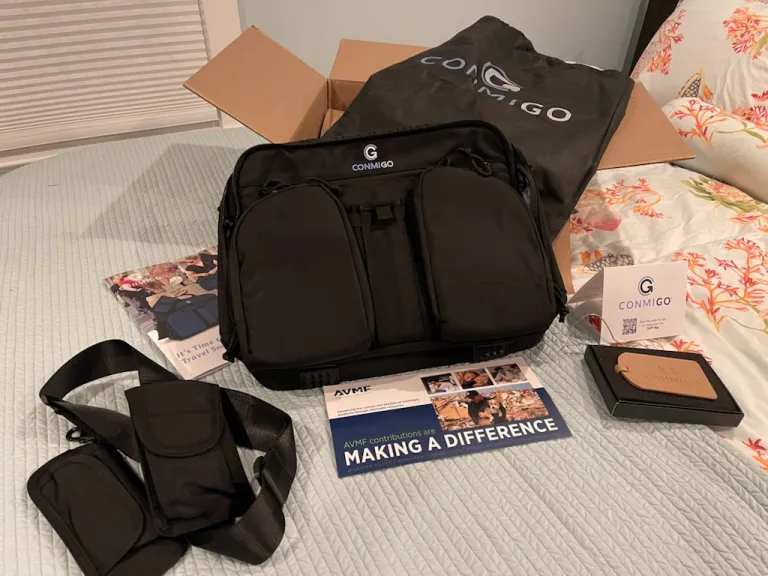
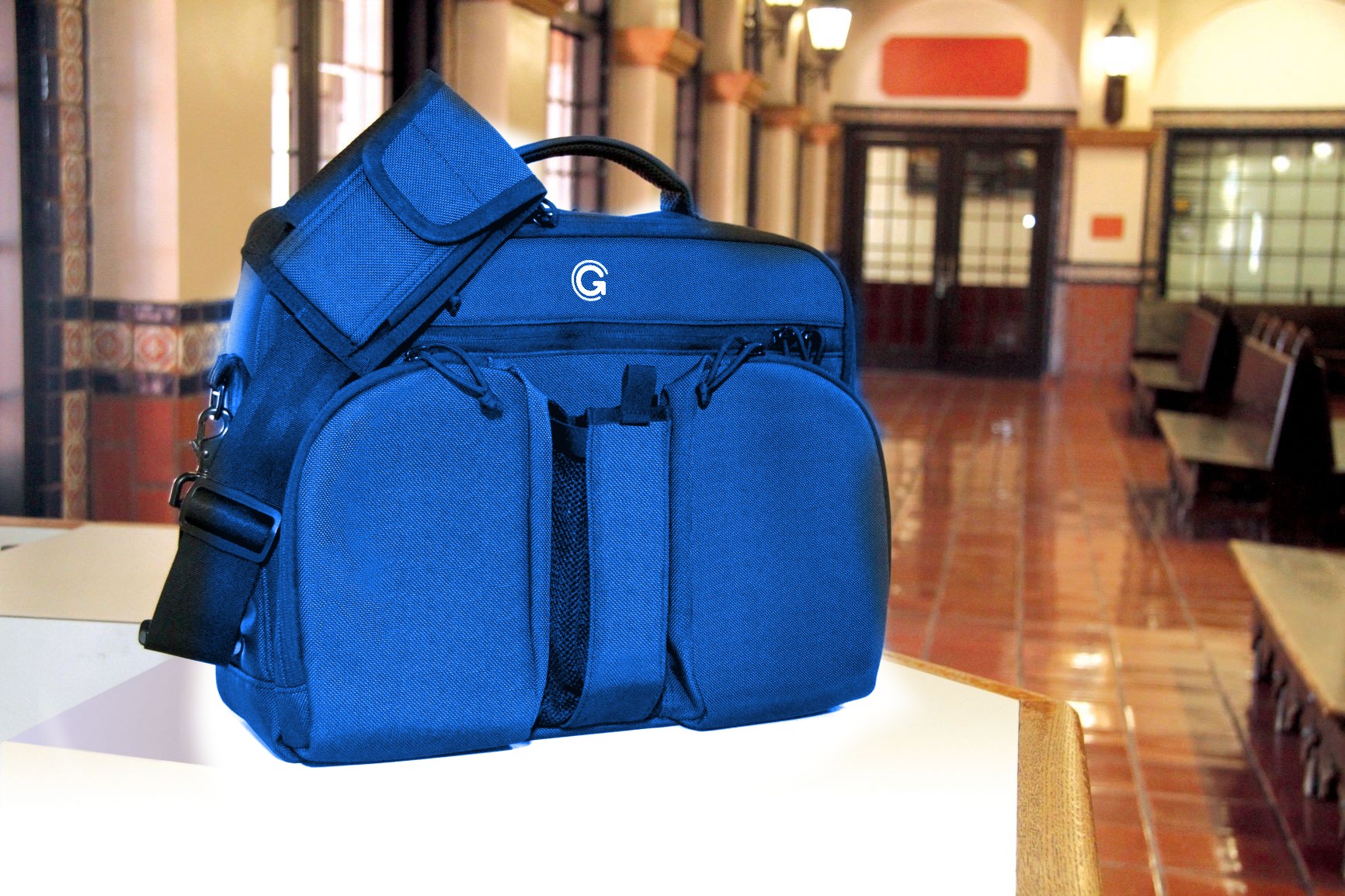
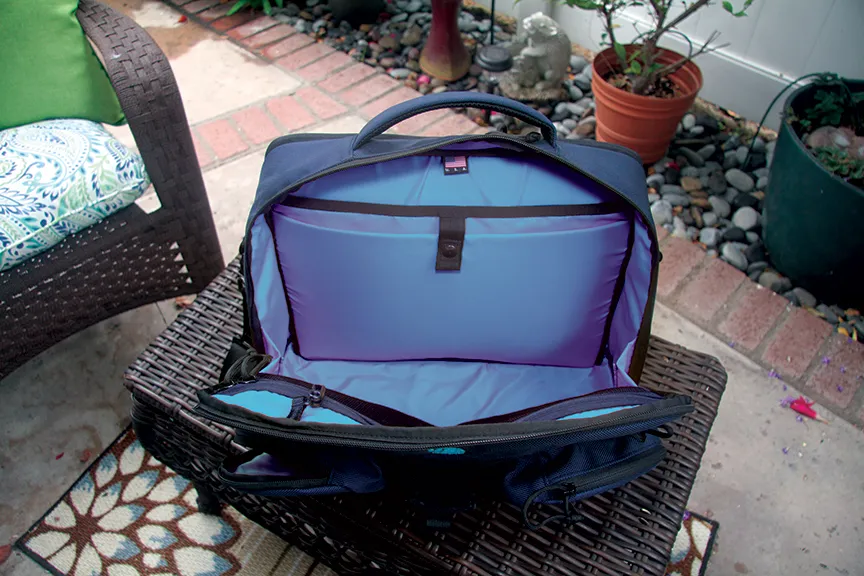
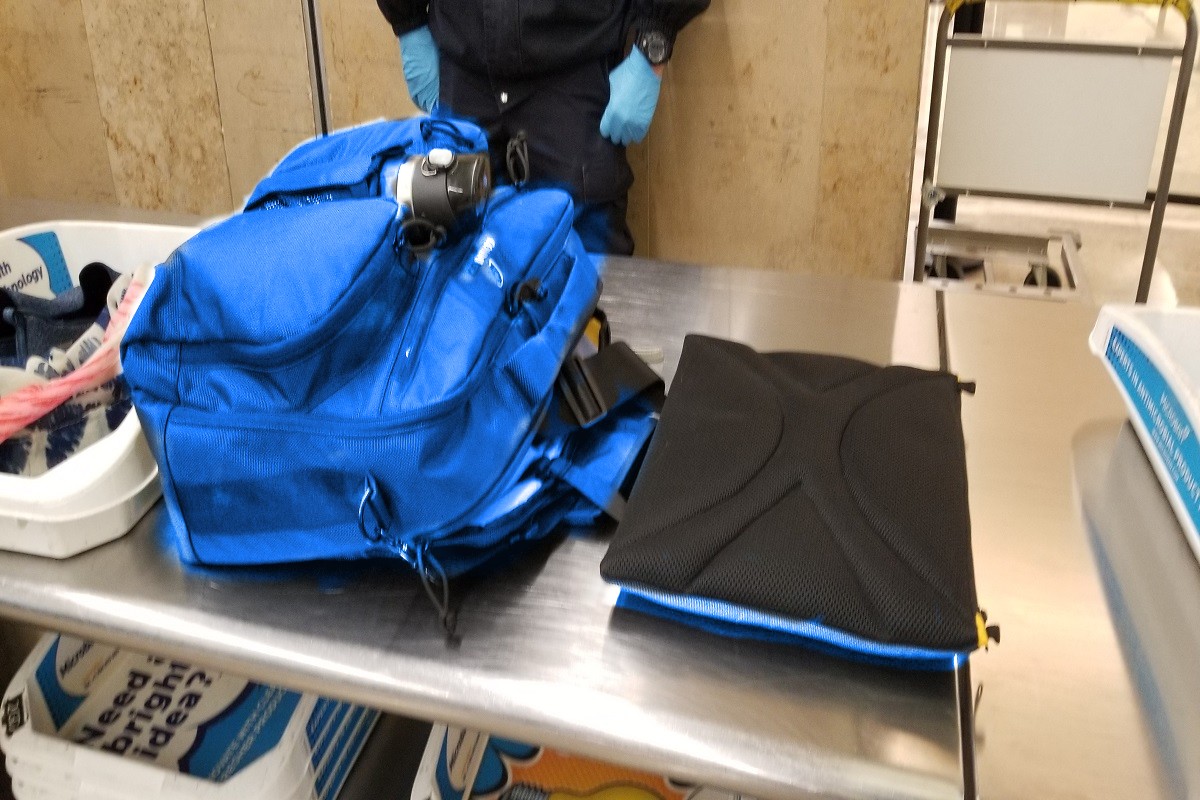
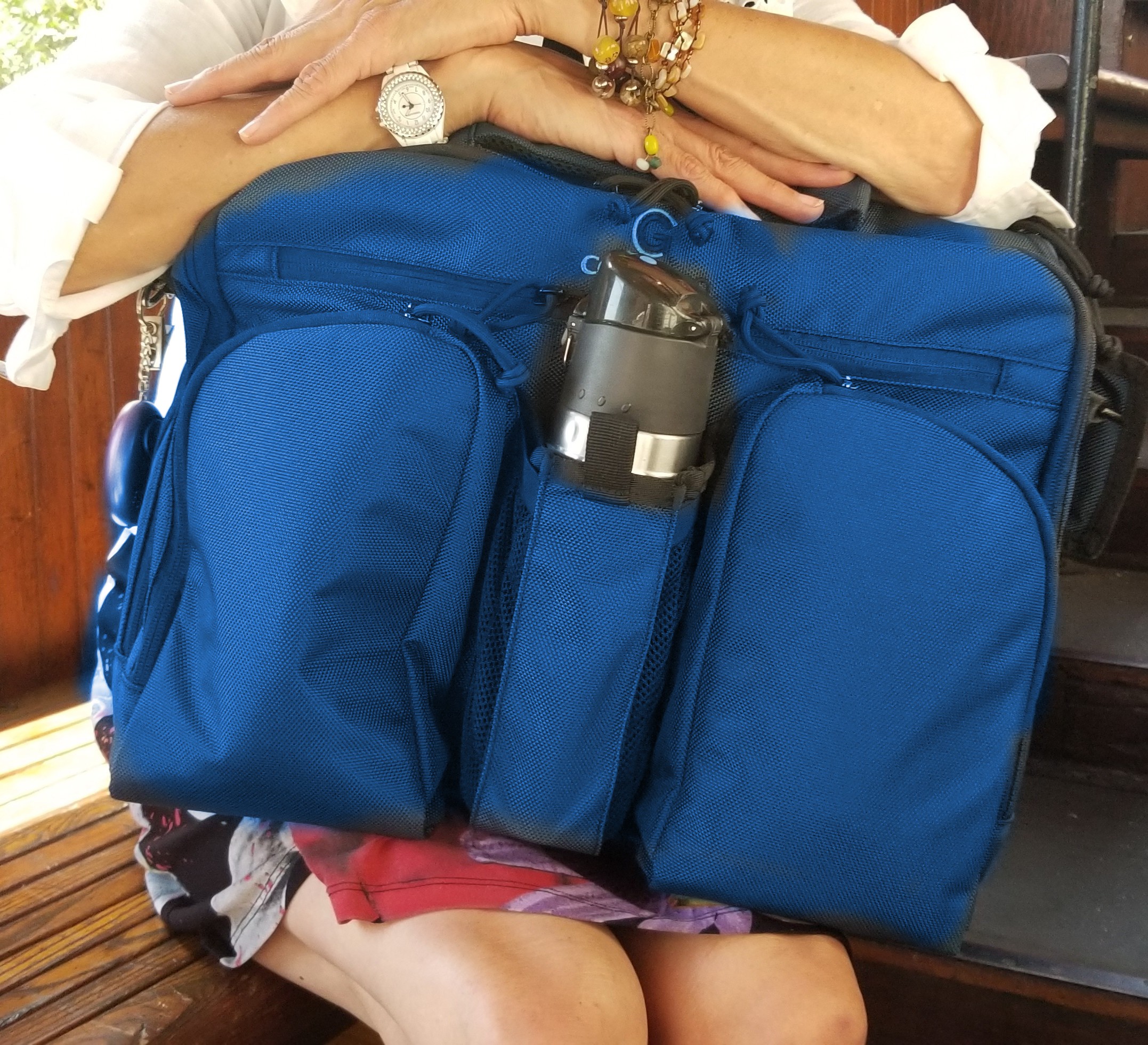
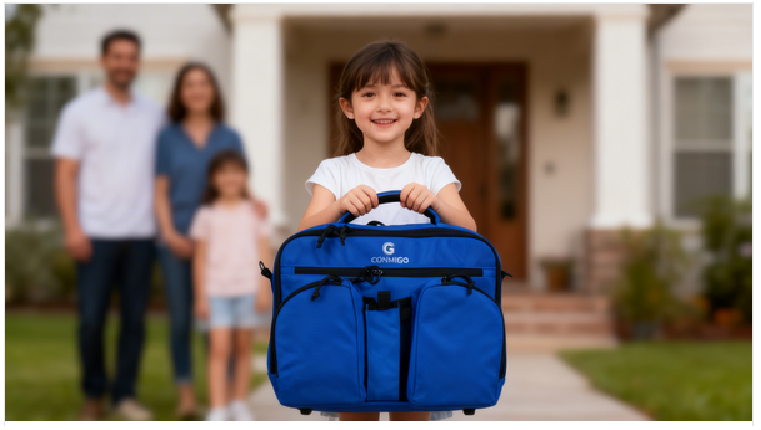
A: A dedicated kid-travel bag with labeled sections keeps the “must-grab fast” items in one place: wipes, a change of clothes, a snack, and meds. If your child is old enough to carry their own backpack, that is a great way to give them a sense of responsibility and access to items they want to keep close. The dedicated ‘kid-travel’ bag should be in the care of an adult. The ‘ULTI’ Every Day/Every Where bag can handle all the kid stuff as well as those essentials that parents need to carry. Enough secured pockets for both and the built in travel cushion/padded electronics sleeve, makes a comfy resting spot for little ones.
Q: How can all adults have access to current travel details?
A: Before leaving, confirm reservations, then save screenshots and store PDFs in a single folder. If a time, name, or seat changes, an online PDF editor helps if you have to update PDF files so everyone has the same updated itinerary.
This process helps you plan a family trip that fits your kids’ ages and your budget, without relying on heroic packing or perfect behavior. You will leave with a realistic itinerary, a cost cap you can stick to, and a reusable checklist for every outing.
1. Choose the right-length trip and travel window
Start by picking a trip length that matches your kids’ current stamina, not your ideal vacation. For most families with young kids, one solid “good day” can be better than three exhausting ones because you spend less on extra meals, entertainment, and last-minute fixes. Lock in one daily anchor time (nap or bedtime) and plan around it.
2. Set child-specific expectations (and one parent goal)
Write one “must-have” for each child, like a playground stop, stroller-friendly walk, or quiet decompression time after transit. Add one adult goal too, like a coffee break or a slow dinner, so the trip feels restorative for you as well. This keeps everyone’s needs visible, which reduces over planning and the spending that comes from trying to rescue the day.
3. Map a simple itinerary with built-in buffers
Sketch your days using three blocks only: one main activity, one free-play option, and one easy meal plan. Add a 30 to 60 minute buffer before and after transit or reservations so small delays do not cascade into stress. If boredom is your biggest trigger, plan a rotation since a new toy or activity can reset the mood and prevent impulse buys at gift shops.
4. Track costs with a “cap and categories” budget
Set a total spending cap first, then split it into categories: transport, lodging, groceries, eating out, activities, and a small “surprise” cushion. As you book, log each cost in a notes app or simple spreadsheet so you can see what is left in real time. If one category runs high, adjust the itinerary now by swapping in free play or a picnic.
5. Build a reusable checklist you can copy every time
Create one master list with two sections: “To Do” and “To Pack,” then copy it for each trip. Creating a checklist habit prevents forgotten tasks that lead to expensive same-day purchases, and it keeps the plan in one place when you are tired. After the trip, edit the list based on what you actually used so it gets leaner and cheaper each time.
Habits turn your planning flow into muscle memory, so you spend less energy reinventing the wheel every trip. Stick with one or two for a few weeks, then add more once they feel automatic.
Traveling with little kids can feel like paying more for less, more gear, more surprises, and more chances for a meltdown. The steadier path is a simple mindset: plan for rhythms, keep choices repeatable, and protect your budget by deciding what matters most. When those habits stack, confident family travel starts to look like affordable trips with children, fewer last-minute scrambles, and more enjoyable travel with young kids. Plan around your child’s rhythms, and the trip costs less, financially and emotionally. Pick one upgrade for the next outing, repeat your packing routine, commit to the snack-prep ritual, or anchor nap scheduling, and stick with it. Reducing travel stress for parents creates more connection and resilience for the whole family.
Thank you to freelance travel writer and senior advocate, Michael Langsdon, for this excellent overview of how to travel with little ones and not break the bank or your sense of humor.
Michael, has made it his mission to help locate resources, events, and engagement opportunities to help enrich the lives of seniors. He created Elder Freedom as an advocate for older adults in his community. Through his site (http://elderfreedom.net/), he provides tips to seniors on how to downsize and age in place.